Cart
0
0.00 €
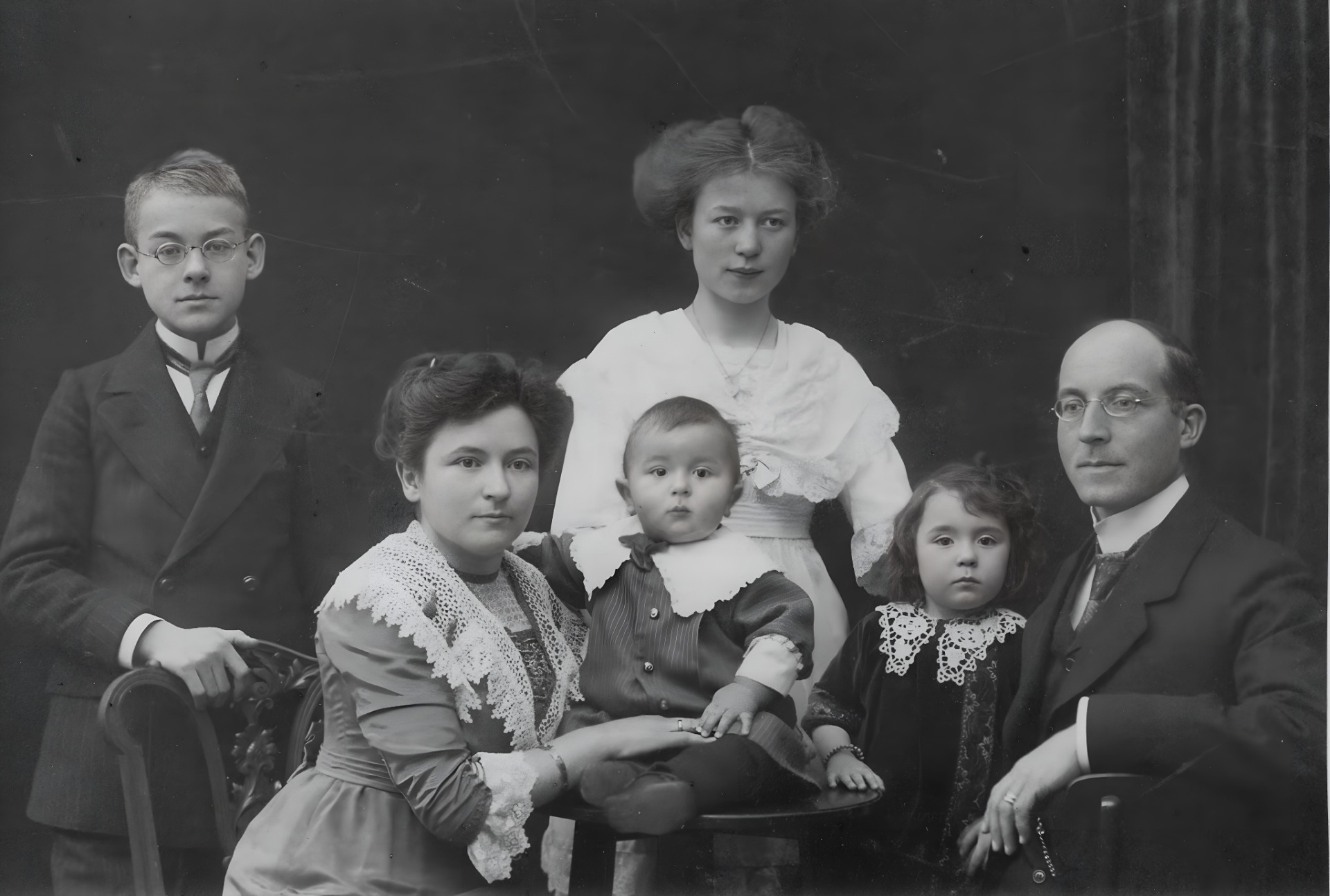
Béla Kéler left behind not only an extensive body of musical work, but also a family whose descendants live in various parts of Europe today. Tracing his family line from his only son, Albert Baum, to his great-great-grandson Sebastian reveals a fascinating story of family heritage, the preservation of historical documents, and the family's gradual reconnection with its Bardejov roots.
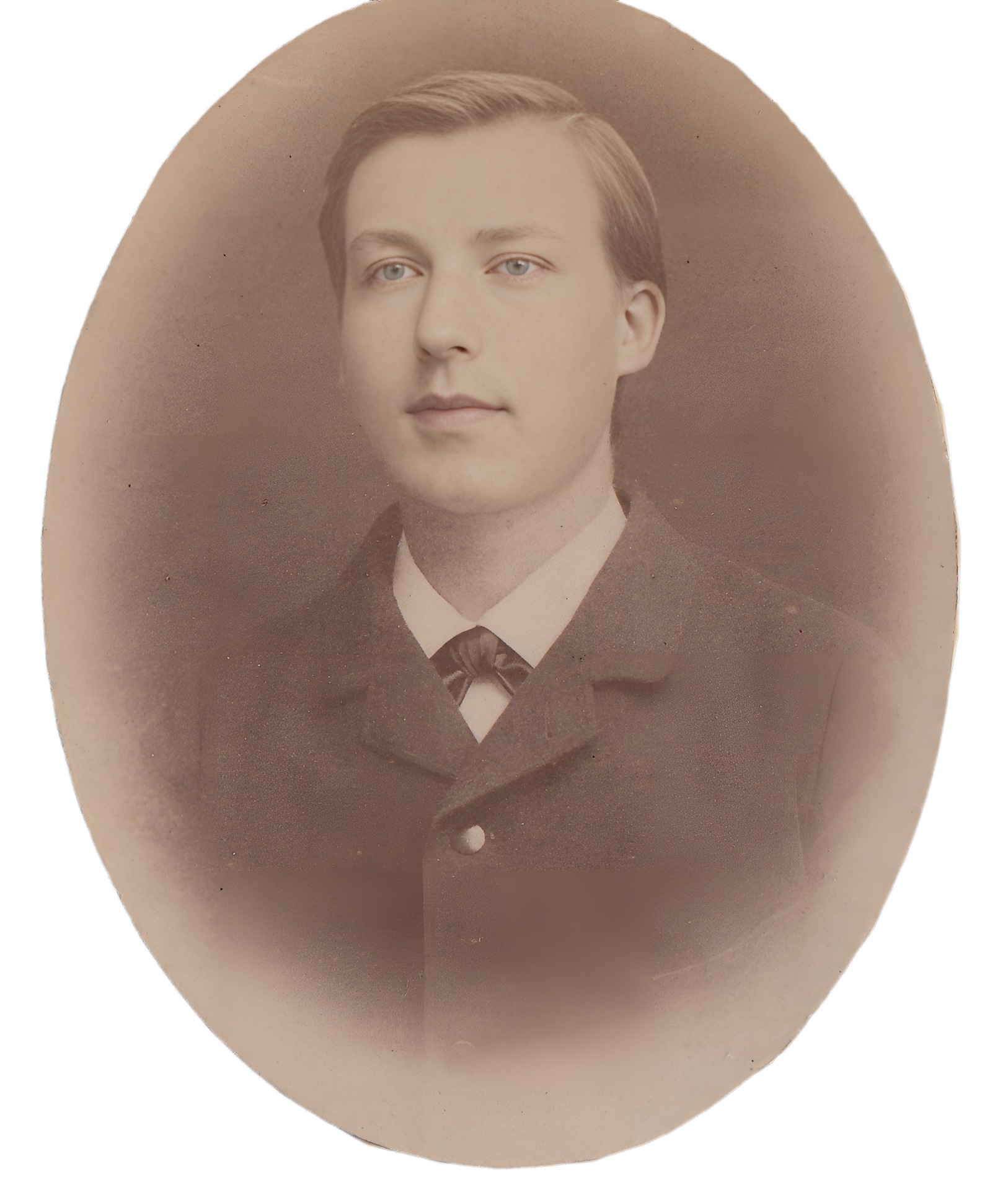
The direct family line begins with Kéler's only son, Albert Baum. He was born on May 18, 1866, in Wörsdorf im Taunus as the illegitimate son of Béla Kéler and Amalie Baum (1843–1930). He bore his mother's surname because the formal adoption process initiated by Kéler was interrupted by the composer's unexpected death in November 1882.
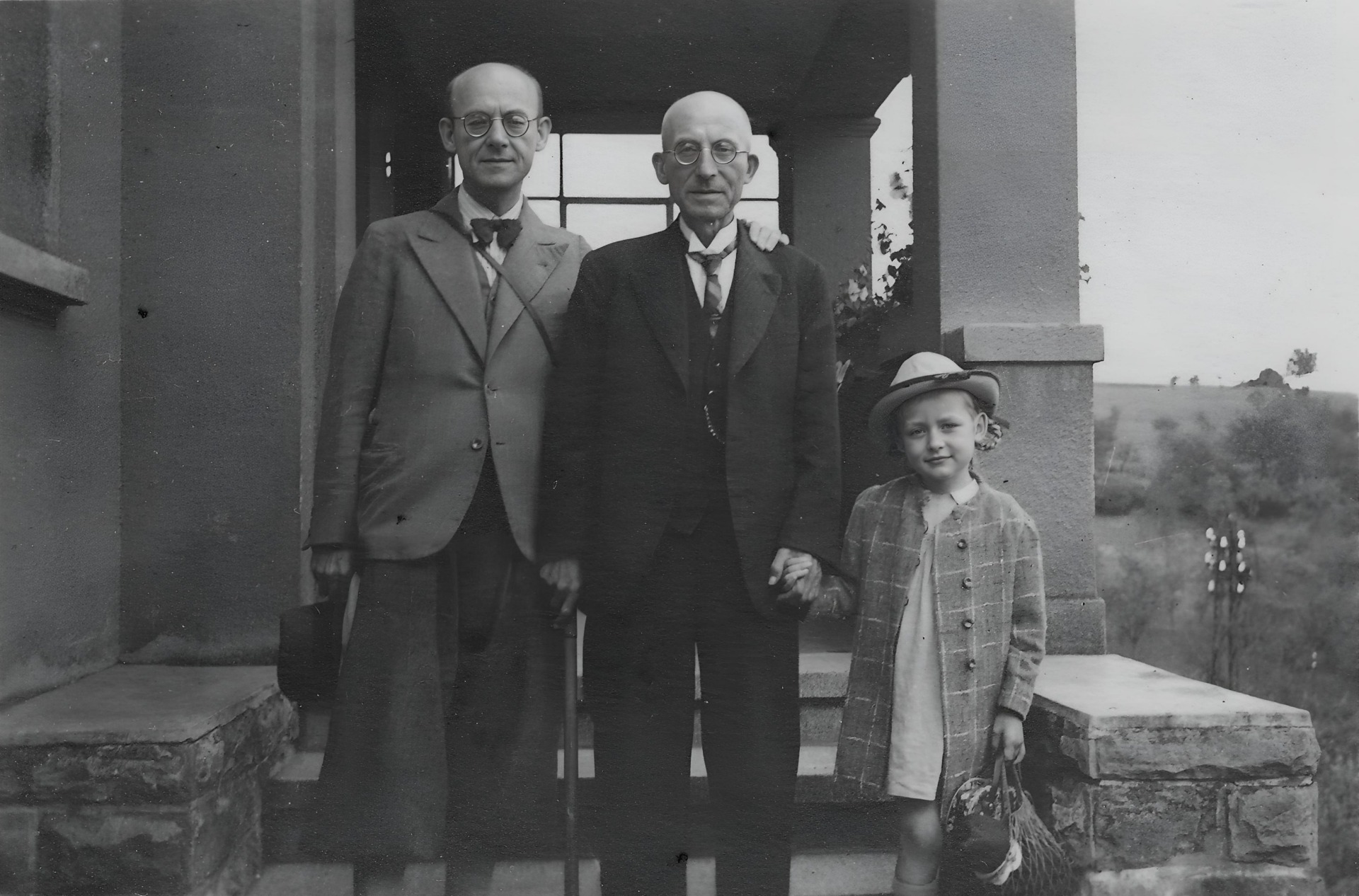
Albert Baum later worked as a school inspector and eventually became rector emeritus in the German town of Bad Wildungen. In his memoirs and family correspondence, he recalled his father's deep affection for him, his efforts to provide him with a good education, and the values of music and family heritage that Kéler passed on to him.
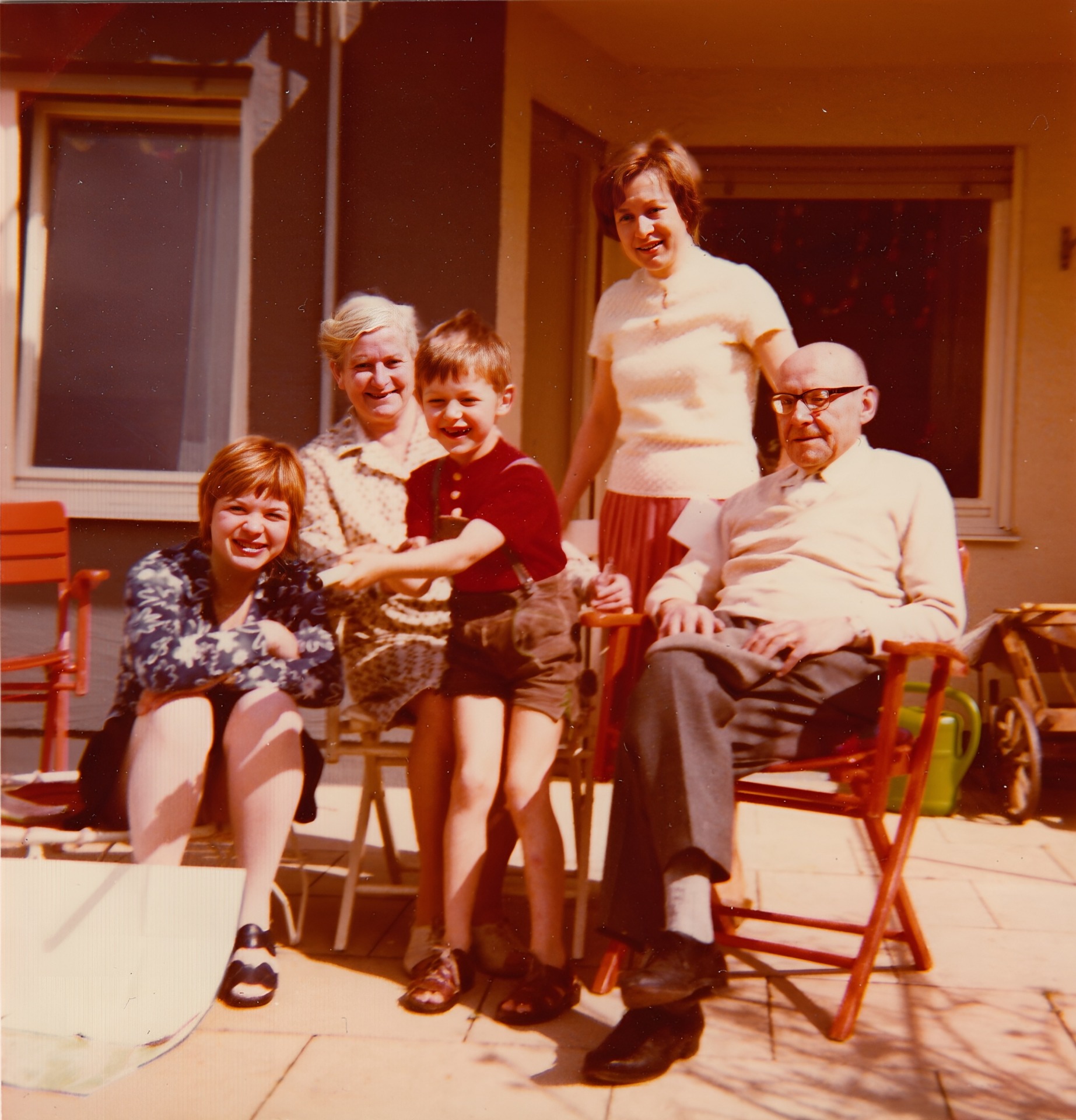
The family line of Albert Baum continues today through his great-great-grandson, Sebastian, who lives in Berlin.
The music of Béla Kéler accompanied Albert Baum's family through the generations. Sebastian recalls occasionally hearing Kéler's compositions on the radio as a child and growing up aware of his famous great-great-grandfather. However, the political circumstances of the 20th century prevented the family from visiting Bardejov on two separate occasions. The first was the rise of Nazism in 1933, which profoundly affected the lives of Albert Baum's family. The second was the Iron Curtain that divided Europe after the Second World War, making it impossible for subsequent generations of the family to visit their ancestors' hometown.
A turning point came through the research of the German scholar Agnes Schirwarth. While preparing her book on the history of the Kéler family in 2012, she discovered family memorabilia at the Wiesbaden City Museum that had been donated by Sebastian's mother, Albert Baum's granddaughter. This discovery set in motion a series of encounters that eventually brought Sebastian into contact with Bardejov educator Peter Bubák and violinist Pavel Burdych, leading to close cooperation with the Béla Kéler Society.
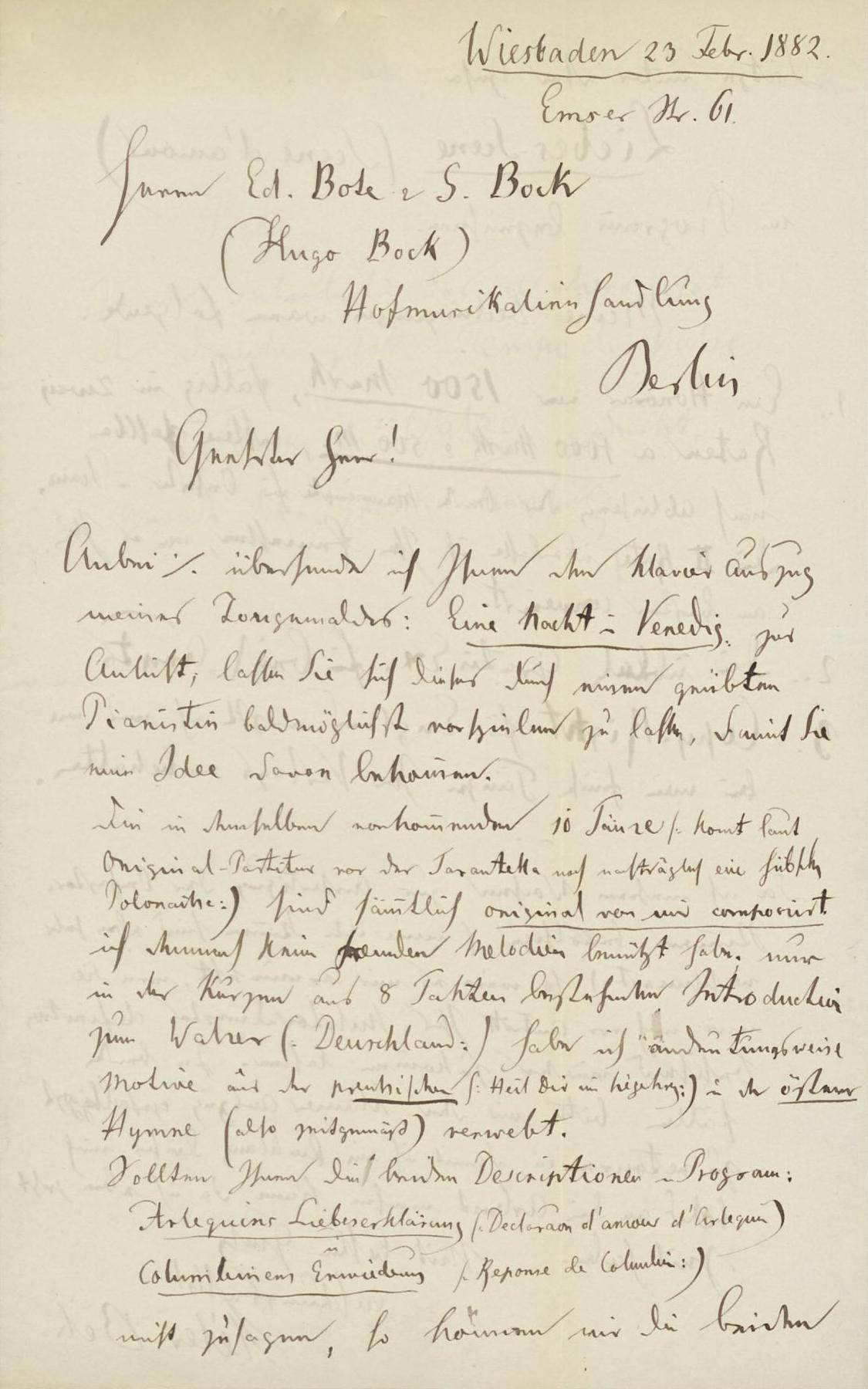
Sebastian's contribution to the preservation and study of Kéler's correspondence has been particularly valuable. Letters addressed to his family, especially to his sister Emília, as well as correspondence with the publishing houses Schott and Bote & Bock, were written in the old German handwritten script known as Kurrent. Although Sebastian had not learned this historical script at school, he gradually taught himself to read it and transcribe it into modern Latin script:
"Currently, I can read Béla Kéler's handwriting fairly well. But with many things, I still have to ask."
As he worked with the documents, a vivid picture of his ancestor's everyday life gradually emerged: his journeys by train across Europe, his concern for family property and finances, his meticulous dealings with publishers, and his tireless efforts to promote his music.
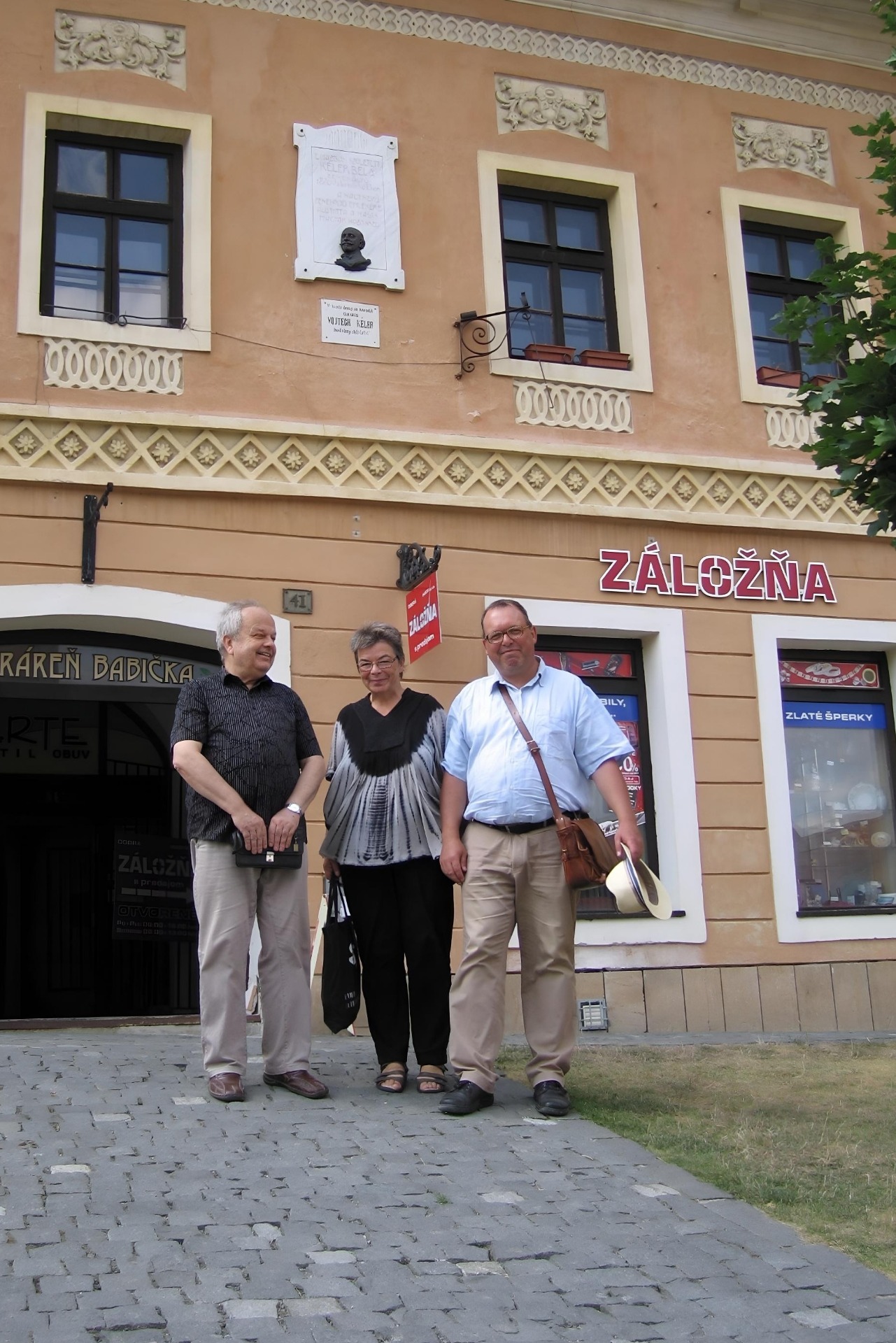
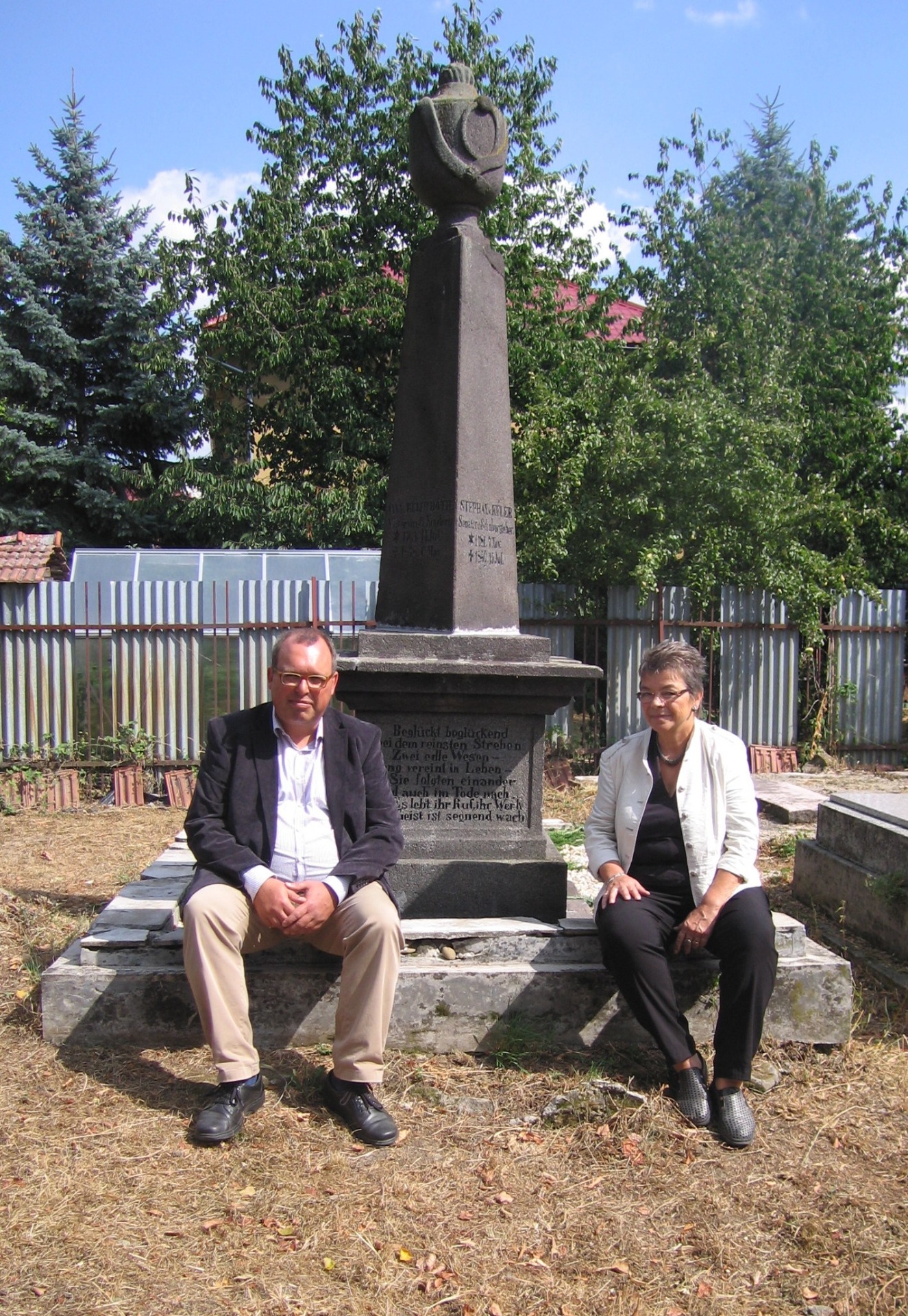
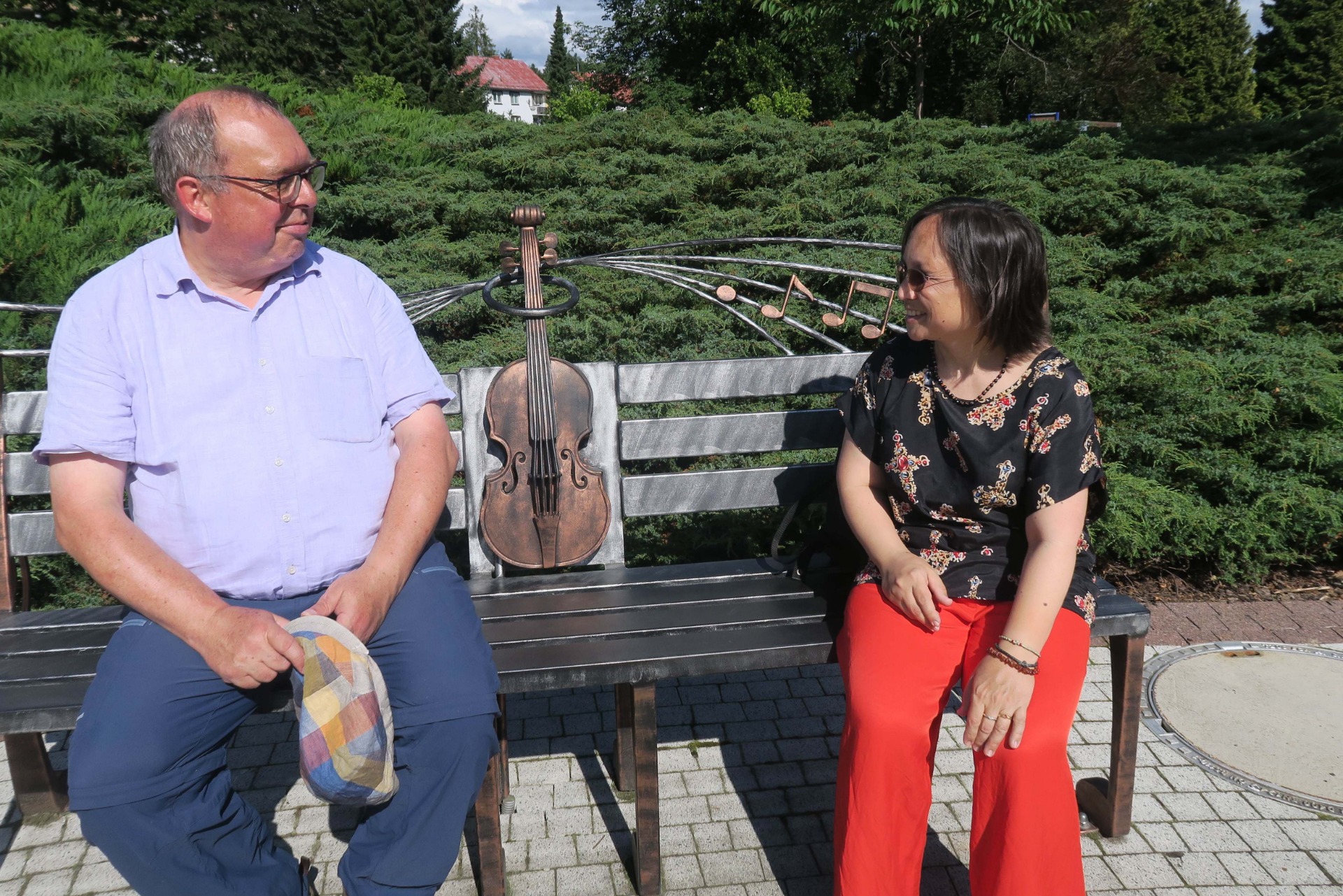
Sebastian now visits Bardejov regularly, particularly during the summer concerts of the Béla Kéler Cultural Summer. During his visits, he pays his respects at the grave of his great-great-grandparents in the Evangelical Cemetery, visits the Béla Kéler exhibition at the Šariš Museum in the historic town hall, where violins donated by his family to the city of Bardejov are preserved, and returns to Kéler's birthplace on Radničné námestie (Town Hall Square) and to the Béla Kéler Park with its musical bench in Bardejovské Kúpele (Bardejov Spa).
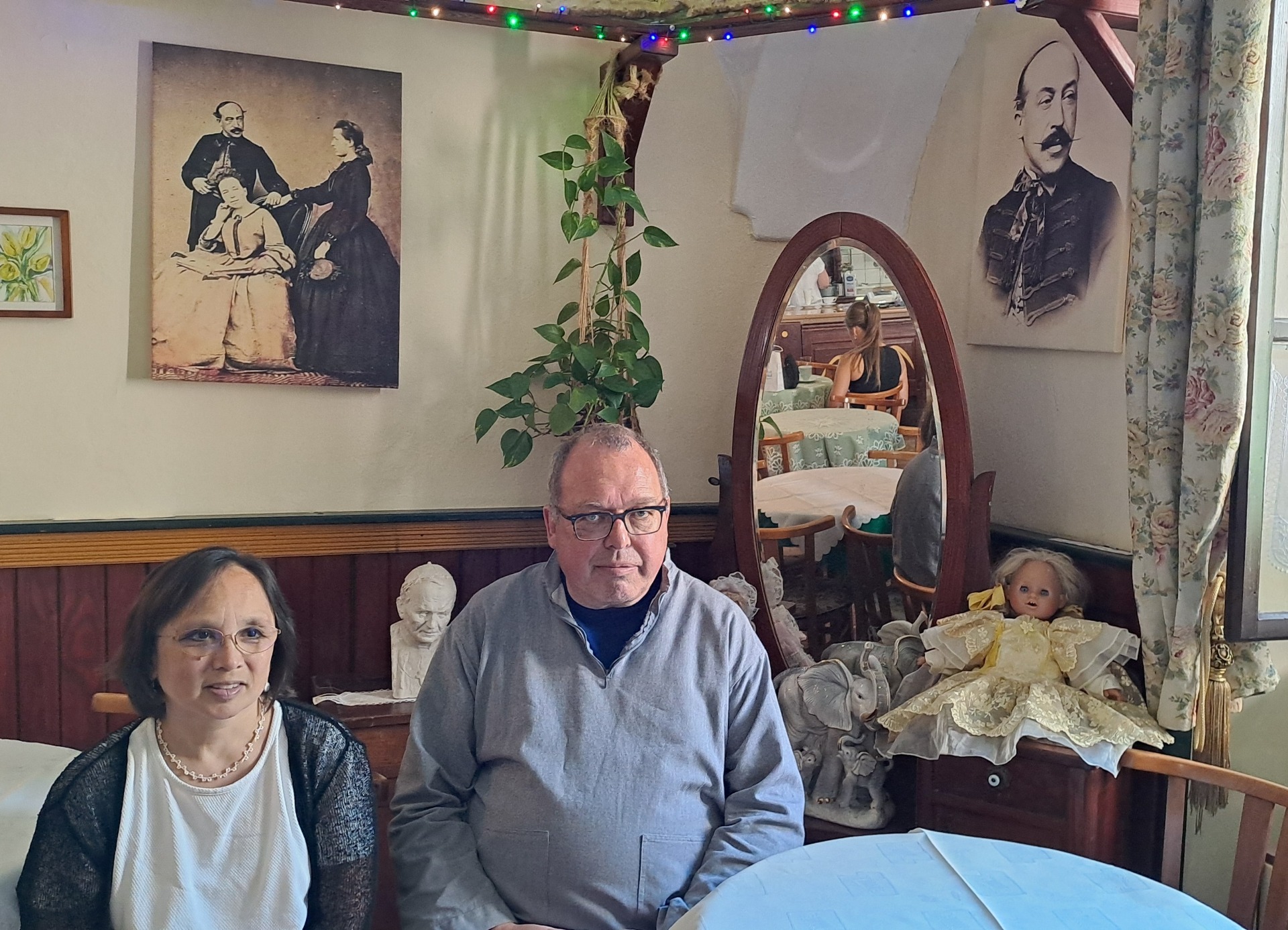
"I like that I am not just a tourist, but that I have a personal relationship with the town. Bardejov was charming to me from my very first visit. The town's residents take great care of their musical heritage."
Kéler's extended family lives today in several European countries. Individual descendants continue to preserve their own memories, family photographs, and documents relating to the famous composer.
The story of Kéler's descendants – from Albert Baum through the German family line to Sebastian – shows that the composer's legacy is more than a subject of historical research. It remains a living part of family memory, continuing to reconnect the family with Bardejov after decades of separation.
The Béla Kéler Society greatly values the interest and support of all of Kéler's descendants. Their personal connection with Bardejov represents a natural and living bridge between the composer's past and the present.